
Nine instruments, playable in the browser
Each one is the app's own board cut down to a web page: the same recordings, the same layout, the same order of notes. Nothing to install, nothing to sign up for. Pick one and it makes a sound.
-
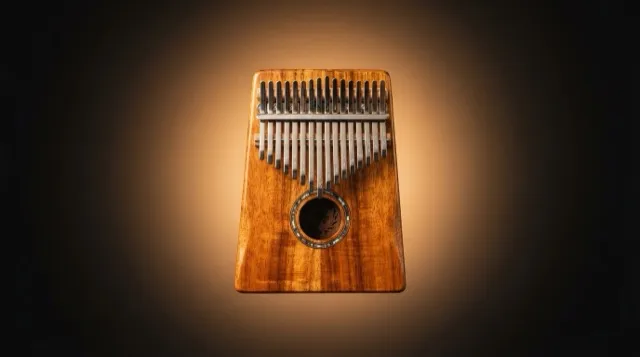
Kalimba
Seventeen tines in C, the lowest in the middle. With the tab numbers on the board.
Play it in the browser -
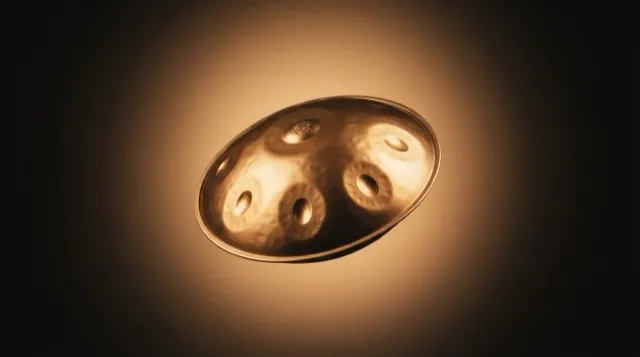
Handpan
A Celtic pan in B - every field recorded separately. Why a pan plays one scale and nothing else.
Play it in the browser -
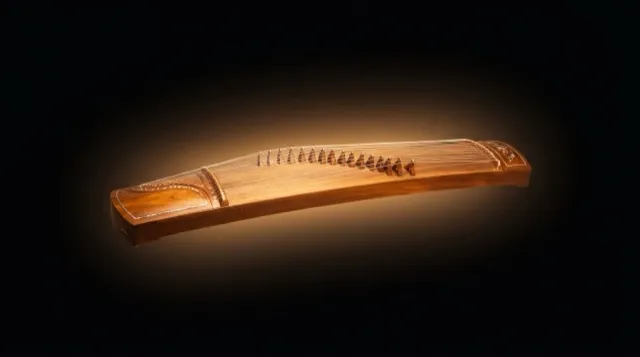
Guzheng
Twenty-one strings tuned in D, five notes to the octave, and the two that have to be pressed into existence.
Play it in the browser -
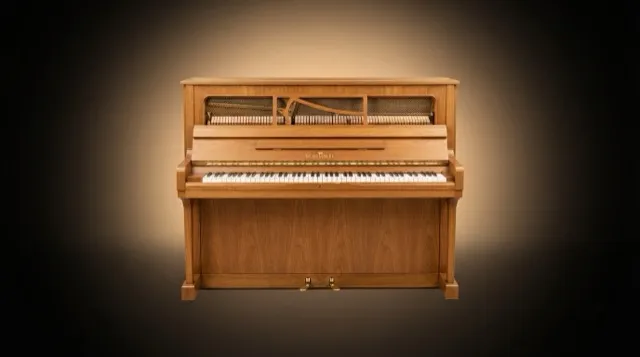
Piano
Two octaves of a real grand - and the pattern that turns a wall of keys into something you can read.
Play it in the browser -
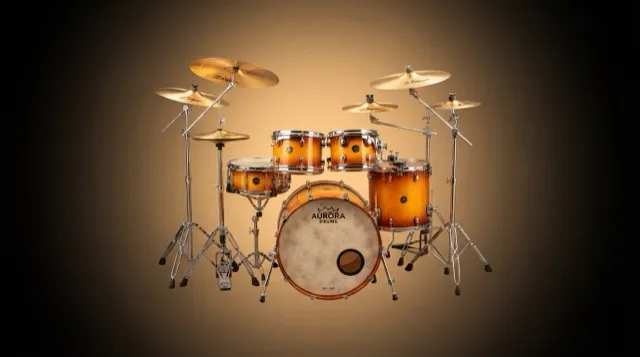
Drums
A twelve-piece kit in the positions a seated player reaches, and the three drums that carry almost every beat.
Play it in the browser -
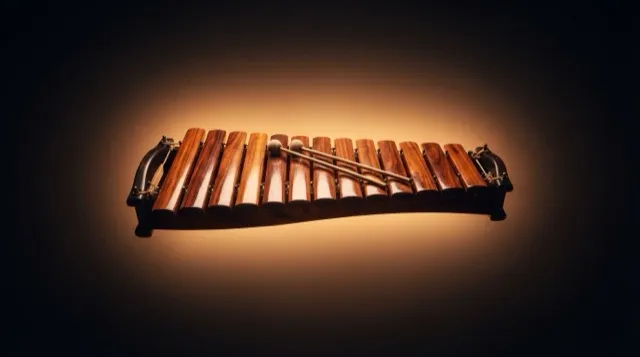
Xylophone
Ten wooden bars. The one instrument whose pitch mechanism you can see from across the room.
Play it in the browser -
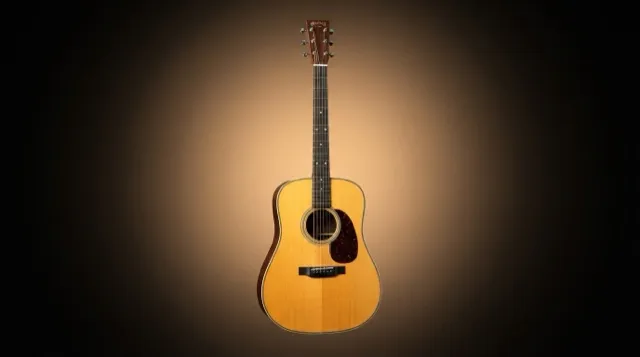
Guitar
Six strings and six chords you can strum - and why the tuning is deliberately uneven.
Play it in the browser -
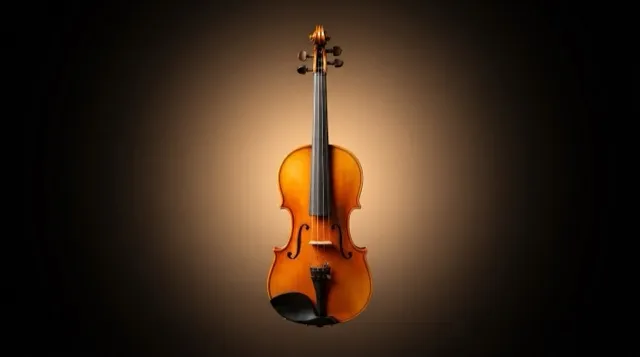
Violin
Four strings, no frets, first position. The reason beginners sound the way they do.
Play it in the browser -

Accordion
The right-hand keyboard - and why the bellows, which a browser cannot give you, are the instrument.
Play it in the browser
What each one teaches, and why the numbers differ
Measured from the boards themselves, not estimated. A melody is offered only when every note of it exists on the instrument in some key, which is why the pentatonic instruments turn most of the catalogue down. Three of them do not lean on the catalogue at all: the kit, the pan and the zheng are taught from music written for them. Each number links to the page that counts it.
| Instrument | Range | Note letters | What it teaches | What limits it |
|---|---|---|---|---|
| Piano | Every note | 12 | 100 of 100 | Nothing. It has every note. |
| Guitar | Every note | 12 | 100 of 100 | Nothing, though the hand stays in one position. |
| Violin | G3 to E6 | 12 | 100 of 100 | Nothing, once you find the note. |
| Accordion | B2 to G5 | 12 | 100 of 100 | Only the top: the treble keyboard stops at G5. |
| Kalimba | C4 to E6 | 7 | 76 of 100 | One sharp and the tune is out. |
| Xylophone | C5 to E6 | 7 | 37 of 100 | Ten bars, so wide tunes will not fit. |
| Handpan | B2 to B4 | 6 | 7 patterns and 13 grooves, 9 melodies | Six letters of steel, and no G. |
| Guzheng | D2 to D6 | 5 | 6 studies, 9 melodies | Pentatonic: no fa, no ti. |
| Drums | C2 to A3 | 10 | 6 grooves | A beat cannot be transposed. |
All nine, and then some
Every instrument in the ToneWright app has a page here. What the app adds is the part a browser cannot do: sound that follows your finger in a handful of milliseconds, the full range of each instrument rather than a window onto it, a hundred songs to learn, a percussion band and an orchestra to conduct.
The same recordings, either way
What you touch here is not a synthesiser approximating an instrument. Each note was rendered from the app's own sound banks through the same engine, one file per pitch, so the browser and the app are the same instrument at different speeds.